

Nitrogen and the food and beverage industry
Nitrogen is an inert, colourless and odourless gas and food grade nitrogen (nitrogen which has a purity of at least 99%) has no detrimental effect on food or beverages it is brought into contact with. In fact, it is extremely beneficial in the food and beverage industry as it can be used to displace oxygen and therefore prevent oxidation, which causes food and beverage spoilage.
Nitrogen for food processing
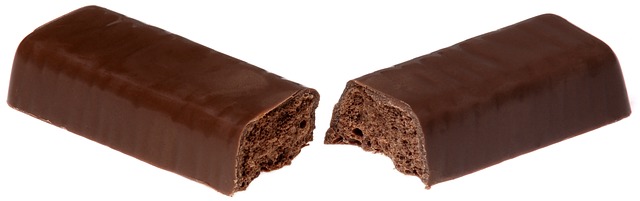
One common use for nitrogen gas in food processing is for food aeration. Aeration is a technique popular in chocolate production – where the chocolate is mixed with gas under pressure to produce ‘bubbly’ chocolate. The first company to mass produce an aerated chocolate was the Rowantree Company which launched the Aero bar in 1935, and other confectionary companies quickly followed suit. When nitrogen is used for chocolate aeration it produces micro-aerated chocolate (smaller bubbles). Alternatively, carbon dioxide can be used to create larger bubbles.
Nitrogen for food packaging and storage
Nitrogen packaging in the food industry is extremely popular. Nitrogen is often used for Modified Atmosphere Packaging (MAP). As foods begin deteriorating as soon as they are picked or prepared for packaging, it is important for the food industry to preserve them for as long as possible, so they have not spoiled by the time they reach consumers. This is why MAP is used. By modifying the atmosphere of food packaging with nitrogen, oxygen is pushed out of the packaging, which vastly reduces the chances of the food oxidizing and turning stale or rancid, and greatly increases the food’s shelf life. This means that companies which use nitrogen packaging can increase their export opportunities, as their food will be able to travel greater distances without spoiling. Nitrogen packaging also preserves the food’s nutritional value, texture, flavour, aroma and taste.
Nitrogen for wine and beverages
Similar to nitrogen for food packaging, the main purpose of nitrogen in the winemaking process is to remove and prevent oxygen from coming into contact with the wine. This is, again, to prevent oxidation which spoils a wine, which is why it important that food grade nitrogen is used. Oxidation is the reason why after a bottle of wine has been opened, it is only palatable for a few days – the longer a wine is exposed to oxygen, the less drinkable (more sour or vinegar-like) it becomes.
Nitrogen is used to prevent oxidation of wine in a number of ways. As wine contains some oxygen produced from the fermentation process, nitrogen sparging is used to combat this. Nitrogen sparging introduces small bublles into the wine which attach themselves to the oxygen and sweep it out of the wine.
Nitrogen flushing is another use for nitrogen in the wine production process. Wine is moved between barrels and vessels as part of the soutirage process (preventing sediment from forming). The hoses used to move the wine between vessels are flushed with nitrogen, to remove any oxygen which could come into contact with the wine and cause oxidation.
On-site gas generation for the food and beverage industry
Although nitrogen is commonly used in modern food and beverage production facilities, it is often supplied in outdated and inconvenient gas cylinders. These cylinders are a hassle to use, requiring monitoring, change overs and repeated orders and deliveries. On top of all that, nitrogen gas supplied in cylinders frequently increases in price, making it difficult to factor nitrogen supply costs into operational budgets.
An on-site nitrogen generator removes all of this hassle. By generating nitrogen gas on site with a nitrogen generator, there is no more placing orders, waiting on deliveries, or dealing with delays. Also, as a facility with a nitrogen generator is generating its own gas – it never has to deal with nitrogen price increases. This, coupled with the one-off payment for the generator and the possibility of fixing maintenance costs for a number of years, makes it easy to factor a nitrogen generator into a facilitiy's budget. In addition, as a nitrogen generator typically pays for itself with 18 months (dependent on usage) it very easy to demonstrate ROI as well.
Whether you require food grade nitrogen for nitrogen aeration, nitrogen packaging, nitrogen flushing or something else entirely, Peak Gas Generation can help. To bring a food grade nitrogen generator to your food or beverage production facility, contact us today.
Need food-grade nitrogen gas?
Explore our range of on-site nitrogen gas generators.
Related Items

From preserving flavor and aroma to providing the texture of nitro cold brew, nitrogen plays a key role in coffee production.

We address the misconceptions around using a nitrogen generator for gas assisted injection molding.

Find out how manufacturing applications benefit from a scalable and dependable centralized nitrogen source.