

Nitrogen Generators for Wine Production & Preservation
From fermentation and maturation to storage and bottling, every stage of wine production presents opportunities for oxidation that can compromise product quality, consistency, and shelf life. To combat the effects of oxygen exposure, nitrogen gas is one of the most commonly used solutions in modern wineries, helping winemakers preserve aroma, flavour, and freshness without product loss.
As wineries seek greater efficiency, sustainability, and independence from delivered gas supplies, on-site nitrogen generation has started to emerge as a preferred solution. On-demand nitrogen generators such as the PEAK Gas Generation i-Flow range allow wineries to produce their own high-purity nitrogen whenever required, eliminating reliance on cylinders or bulk deliveries while ensuring a continuous supply for preservation and production processes.
Why Oxygen Control Matters in Wine Production
Excessive oxygen contact is one of the main causes of wine degradation. While it can have a beneficial role in specific stages, excessive contact can quickly lead to color changes, reduced freshness and intensity, undesirable flavors and increased spoilage and product waste. White wines are particularly susceptible to issues but red wines can also suffer from deterioration due to oxygen during packaging and transfer.

How Nitrogen Preservation Works
Nitrogen is an ideal solution because it is an inert, odorless gas that does not react with wine. By displacing oxygen, it can help maintain product integrity by creating a protective barrier that prevents oxygen from coming into contact with wine.
Nitrogen can be used in numerous ways in winemaking, including:
Tank blanketing,
Barrel and cask preservation,
Sparging,
Purging,
Filtration,
Bottling,
Headspace protection, and more.
What is Nitrogen Purging?
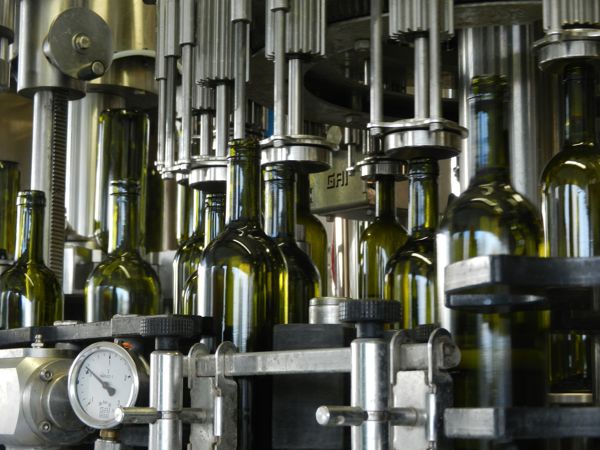
Purging is the process of removing oxygen-containing air from equipment, vessels, pipelines, tanks, bottling systems, or containers before they come into contact with wine.
Nitrogen is introduced to force oxygen out of the system, creating an inert environment. This can include new tanks, transfer pipelines, kegs/containers, filling equipment or bottles.
Nitrogen purging reduces dissolved oxygen pickup, prevents oxidation during transfer, improves consistency and protects wine during packaging.
What is Nitrogen Sparging?
Nitrogen sparging on the other hand involves introducing fine nitrogen bubbles directly into the wine. As the bubbles rise through the liquid, dissolved oxygen is removed and carried away. Sparging is often one of the most efficient ways of minimizing oxygen pickup throughout production.
Nitrogen sparging is used before bottling, during transfers, after filtration and it helps preserve flavor and aroma, lowers dissolved oxygen levels, extends shelf life and supports premium quality standards.
Why Wineries Are Moving to On-Site Nitrogen Generation
Traditionally, wineries have relied on delivered nitrogen supplied through cylinders, bundles, or bulk tanks. While widely used, delivered gas presents several challenges:
Rising gas prices subjected to external disruptions and price hikes
Delivery scheduling requirements and associated administrative tasks
Supply disruptions
Larger storage space requirements
Manual cylinder handling and safety risks associated with pressurized cylinders
Rental and transport costs.
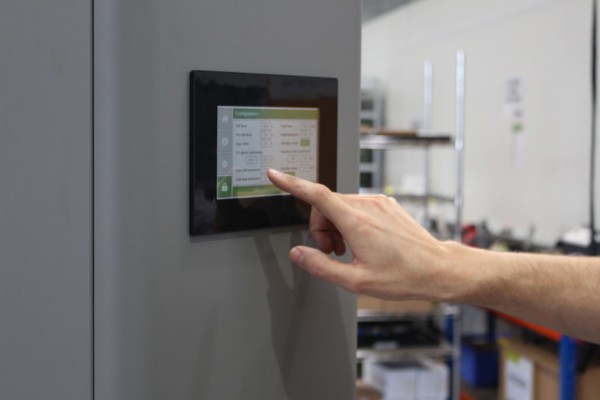
Modern nitrogen generators like the i-Flow Prime eliminate these issues by producing nitrogen on demand directly at the winery.
i-Flow Nitrogen Generators for Wineries
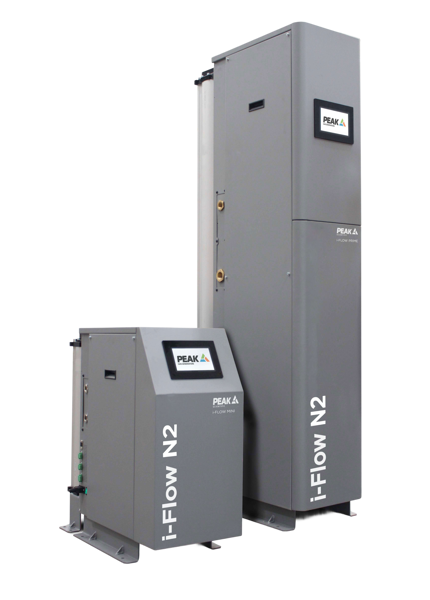
The i-Flow nitrogen generator range from PEAK Gas Generation is designed to provide wineries with a reliable, on-site source of high-purity nitrogen for preservation, production, and packaging applications.
By producing nitrogen on demand, i-Flow generators help wineries reduce operating expenses while ensuring a consistent supply for critical processes such as blanketing, sparging, and purging.
Scalable for Any Winery Size
Every winery has unique production patterns and requirements. The modular design of i-Flow generators allows systems to be configured according to current demand while maintaining the flexibility to expand as production grows.
This means wineries can:
Start with capacity matched to current production volumes,
Expand output as demand increases,
Avoid costly over-specification,
Scale nitrogen supply without replacing existing equipment.
On-Site Nitrogen Generation Benefits for Wineries
Cost Efficiency
Generating nitrogen on-site can significantly reduce ongoing operating costs compared with delivered gas.
Potential savings include the elimination of cylinder rental fees, removal of delivery charges, reduced logistics costs, lowered admin costs and improved cost predictability. For high-volume users, on-site generation can often provide a rapid return on investment.
Operational Autonomy
Producing nitrogen independently means wineries are no longer reliant on supplier schedules or external deliveries.
Continuous gas availability and improved production planning mean enhanced operational resilience, even during busy periods.
Improved Safety
On-site generation eliminates many of the safety concerns associated with handling and storing high-pressure gas cylinders. This includes reduced manual handling, fewer delivery vehicles coordinated on site, lowered amount of nitrogen stored and a simplified gas management.
Convenience
Nitrogen is available exactly when needed, wherever it is needed within the facility. There's no need to monitor inventory, arrange emergency deliveries or having to borrow when stock is running low. On-demand generation ensures no interruption to key operations due to shorages.
Sustainability Benefits
Sustainability is becoming increasingly important across the wine industry.
Generating nitrogen on-site can help wineries reduce environmental impact by eliminating routine gas deliveries and reducing associated transportation emissions.
Ready to enhance wine preservation with on-site generation?
Contact our team today to discuss your winery's nitrogen requirements and discover how on-site nitrogen generation can support your production goals.
Related Items

Nitrogen is essential to the semiconductor industry, providing an inert environment. Learn why many users prefer on-site generation compared to bulk supply.

PEAK Gas has been supporting NovaTech Automation's transition to a more reliable and sustainable nitrogen gas supply using the i-Flow Prime generator.

Nitrogen separation enables businesses to produce nitrogen gas directly from air. Explore the different separation methods and how PSA generation works,